How a corridor is regulated on paper, and what its documents expect at the border.
Information for exporters and importers: which documents a corridor requires, what a complete customs file looks like, and which questions are worth settling before an invoice exists.
Trade & Business Consulting is Mercury Fintech's information service for companies that operate across borders. The questions it answers look ordinary and are anything but: which documents a corridor actually requires, what a complete customs file looks like before a shipment is booked, who is permitted to quote exchange rates and who is not, and what a finance team should have ready before a foreign-currency invoice is settled. Getting these answers wrong is expensive — and most companies get them wrong by relying on corridor folklore.
The service is built for exporters and importers and for the finance and operations teams behind them: agribusiness exporters, mining-services and equipment suppliers, education providers, e-commerce operators and professional-services firms working across two corridor families: Southern Africa, anchored on South Africa, and Southeast Asia. It also serves Australian subsidiaries of overseas parents who need the Australian regulatory side of the picture explained in plain language.
Before a company commits capital to a corridor, it needs to know how that corridor is regulated on paper. We research and explain, in plain language: the registration and licensing triggers for trading into the market, tariff schedules and trade-agreement settings at awareness level, the local-partner and representative-office structures described in public policy sources, and the government bodies a new entrant will actually deal with. For the Australia–South Africa corridor we work from South African trade and customs policy sources; across Southeast Asia, from the ASEAN treaty framework and the national customs authorities that implement it. For a deeper read on documentation practice in the region, see our briefing on ASEAN customs documentation.
Most border delays are documentation delays. We train operations teams to read the full trade document chain — commercial invoices, packing lists, bills of lading, certificates of origin, import permits — and to recognise where descriptions, values or classification codes are likely to attract queries. Harmonised-system classification is covered at awareness level: enough to brief a licensed broker precisely, not enough to replace one. We help clients build a pre-shipment checklist discipline so the file is complete before the container moves. We are not customs brokers and we do not lodge anything; we make clients better-informed users of the brokers they already engage.
An exporter receiving foreign-currency payments meets the regulatory wall before it meets any bank counterparty: who may quote rates, who may convert currency, what identity and invoice documentation a licensed provider will require, and how inbound funds are reported. We educate finance teams on this landscape using public regulator material, so the conversation with a bank or licensed provider starts well down the road instead of at zero. Our briefing on exchange-control discipline covers the operating mindset in depth.
Corridor briefings covering regulatory settings, market-access mechanics and the specific questions the engagement was asked to answer — structured for circulation to boards and finance teams, with every public source cited.
Corridor-specific checklists for the trade document chain: what each document is for, who issues it, where errors most often occur, and what a complete file looks like before a shipment is booked.
A visual map of your current order-to-cash or procurement flow across the border, marking every point where policy, customs or FX-regulation knowledge changes the outcome — the reference document your training sessions are built on.
Working sessions with your operations and finance staff, on site in Sydney or online, built around your own documents and your own corridors — so the literacy stays in the business after the engagement ends.
The service end to end sits in our Southern Africa corridor compliance-awareness program.
Engagements run in four stages. The sequence is fixed; the depth of each stage is set at scoping, so you know what you are buying before the work begins.
A structured conversation about your corridors, products, volumes and the decisions ahead. We define the questions the engagement must answer — and confirm the boundary: information only.
We assemble the current policy picture from public regulator and treaty sources, test it against the documents and flows you actually use, and locate where your exposure sits.
Briefings, checklists, process maps and training sessions are delivered in the sequence agreed at scoping — each with sources cited and an owner named on your side.
For an agreed window after delivery we remain available as your team applies the material — including when a new corridor question surfaces mid-quarter.
Engagements are quoted as fixed-scope consulting fees before work begins, and the quote states the depth of each stage and the deliverables line by line. Where a client needs execution — a licensed FX provider, a customs broker, a freight forwarder — we say so plainly and hand off; the reasons are set out in our compliance notice.
Exporters and importers moving goods between Australia and Southern Africa or Southeast Asia, and the finance and operations teams behind them. Finance teams receiving foreign-currency payments who want the regulatory landscape explained before they choose a provider. Operations teams who own the customs file and want fewer border queries. Founders scoping a first entry into a new corridor who need the policy picture before the plane ticket.
Businesses seeking someone to execute conversions or hedge exposure — we are not that counterparty; an independently licensed institution is. Shippers wanting lodgement or brokerage services — we make you a better-informed user of your licensed broker, not a substitute for one. Anyone seeking investment or financial product advice — no part of this service is advice, and no engagement changes that. The complete statement of what Mercury Fintech does and does not do is set out in our compliance notice.
Training and information. We explain how a corridor is regulated on paper, what documents it expects and where questions usually arise. We do not opine on whether a specific shipment, payment or counterparty is acceptable — that belongs to your advisers, your bank and your licensed provider.
Depth is strongest on Australia–South Africa and the ASEAN corridors, where we work from primary policy and customs sources. Other markets are handled as research engagements, and the proposal states how far the evidence goes before you commit.
A written corridor file with sourced policy references, a document checklist keyed to the paperwork your team already issues, and a staff session that walks through both. The checklist is designed to be used, not filed.
Yes, at awareness level: we read commercial invoices, packing lists, certificates of origin and permits for consistency and obvious exposure, then brief your team on what a broker or authority is likely to query. We do not lodge documents or act as customs broker.
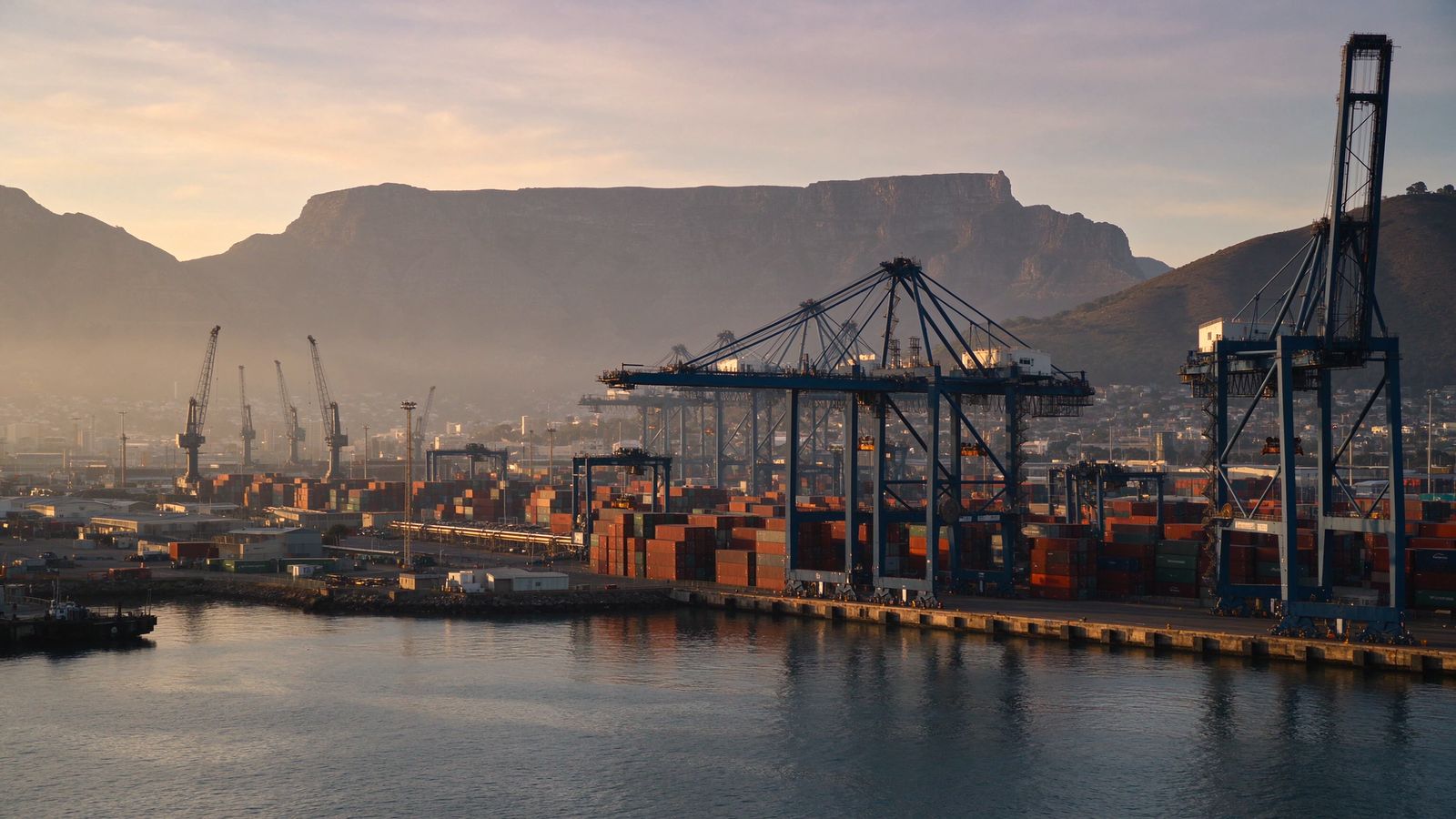
A consumer-goods exporter taught the clearance and payment rules it was already trading under, before the next shipment left.
Read the case study →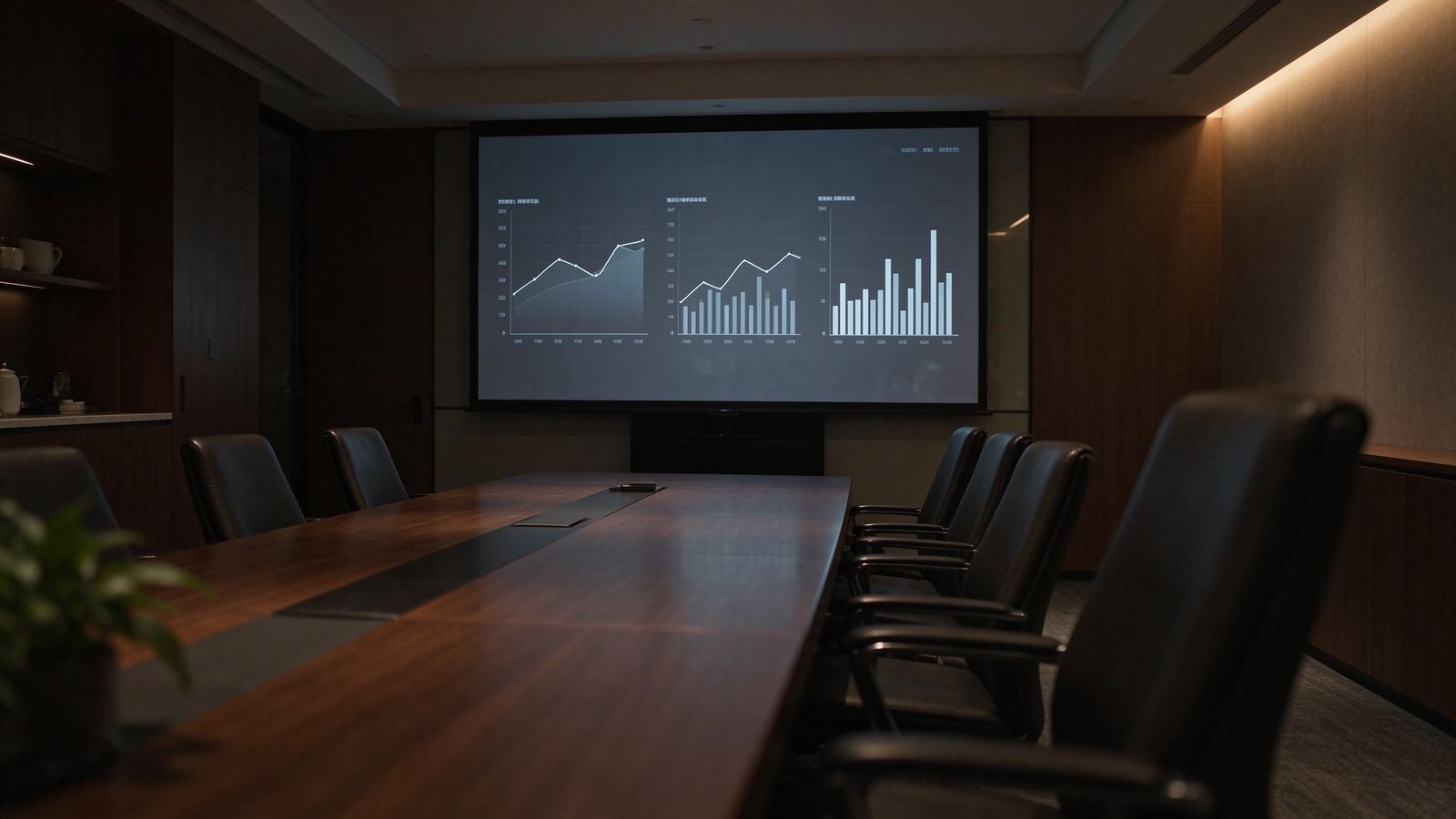
A shared reference view of public corridor data, with every figure carrying its source and date.
Read the case study →Send the corridors you trade, the documents you issue and the decision ahead. We will scope a briefing and price it before anything is committed.
Send the documents you use, the corridors you trade and the decisions ahead of you. We will scope a briefing engagement and quote it before you commit to anything.
Request a Quote