Seven markets across two corridor regions under study: what is public, what is uncertain, and where our involvement stops.
Seven markets under active study: South Africa and six bilateral markets across Southeast Asia. Across both regions we follow the public material that shapes them and publish what we learn; nothing is executed in these markets.
Covered means the corridor is under active study. Public material — policy announcements, customs guidance, regulatory frameworks — is followed and summarised as general information. It does not mean the company operates in the corridor.
No transaction is executed in any corridor covered. Where a question involves a financial service, the work ends at information or a disclosed referral; execution belongs to a licensed institution. See the Compliance Notice.
Government trade notices, customs publications and regulator commentary are monitored in each corridor studied.
Findings are written up as notes on policy direction, documentation practice and regulatory context.
Notes appear as insight articles and as dated public data on the dashboards, labelled as information.
Where execution is needed, firms are referred to an independent licensed provider.
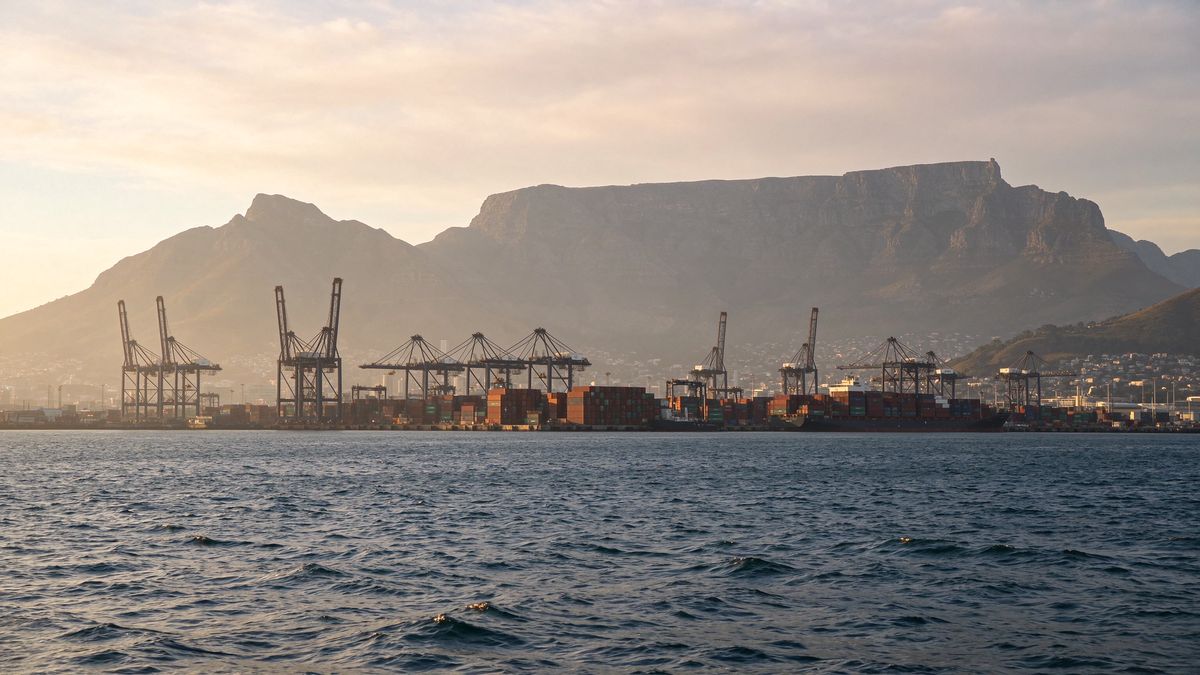

Australia and South Africa trade in mining and resources services, agribusiness, education and professional services. Australian SMEs usually enter through equipment exports or specialist consulting work.
Business is conducted largely in English and documentation conventions follow Commonwealth practice. Policy direction, border paperwork and payment regulation remain the open questions.
Trade policy. Tariff, duty and trade-facilitation developments between Australia and the region.
Customs documentation. Declaration conventions and supporting paperwork as set out in official customs guidance.
Exchange control. South Africa maintains a formal exchange-control framework covering how inbound payments are described and documented. The public requirements are tracked; no view is given on a specific transaction.
Six Southeast Asian markets are profiled below. Each entry covers the trade context, the public information followed and the point where involvement stops. The profiles are general information and do not advise on any transaction.
 02
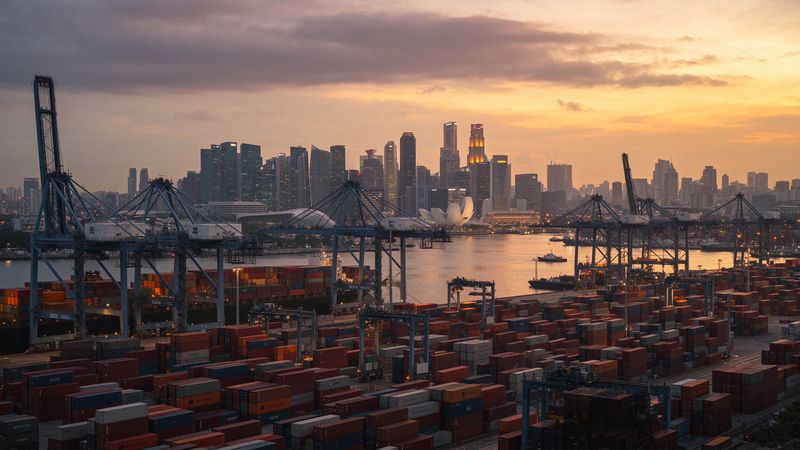
Singapore is usually a regional hub for operations, distribution partners and professional advisers rather than a final market. We track digital-economy and trade-facilitation agreements, permit and declaration practice at customs, and the regulatory context for receiving payments from Australia. We do not arrange payments, convert currency or refer retail clients to financial products here.
 03
Malaysia trades with Australia in resources, food and agribusiness, education and professional services, and supplies components and private-label production. We follow trade-policy signals, import permit and classification practice as published, and the administrative framework governing how foreign payments are received. Our role stays informational: no execution, no FX arrangement, no product referrals.
 04
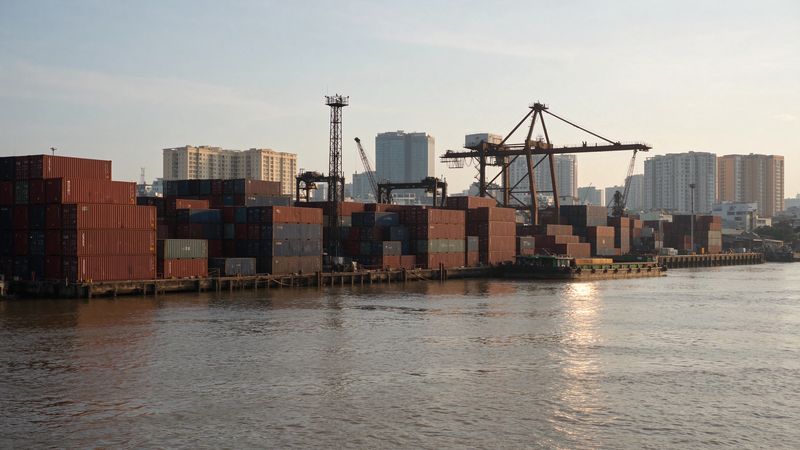
Vietnam is a sourcing and processing market for manufacturing inputs, apparel, furniture and agricultural trade. Documentation is the practical challenge: e-customs filings, processing-trade paperwork and certificates differ from more familiar markets. We track trade-policy direction, customs documentation practice and the framework around inbound payments; execution stays with licensed institutions.
 05
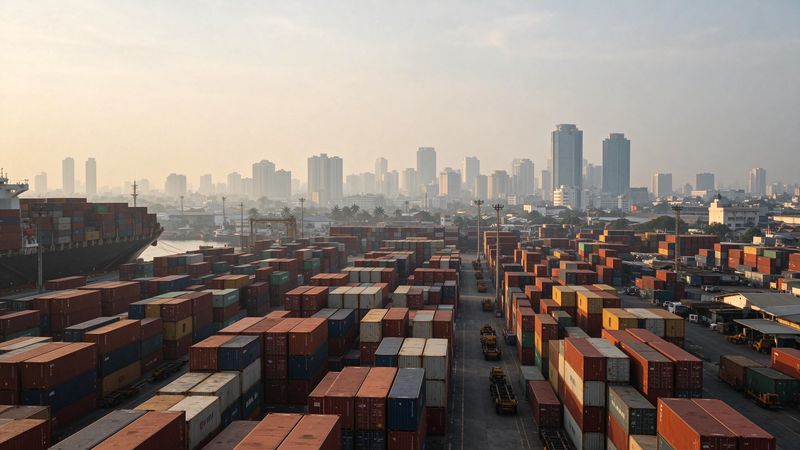
Indonesia is the region's largest economy. Australian SMEs work there in agriculture, education, resources services and consumer goods; licensing regimes and local-content rules determine the route to market. We track trade-policy direction, import licensing and border documentation practice, and the regulatory context for receiving payments from Australia. We structure no transactions and give no FX guidance.
 06
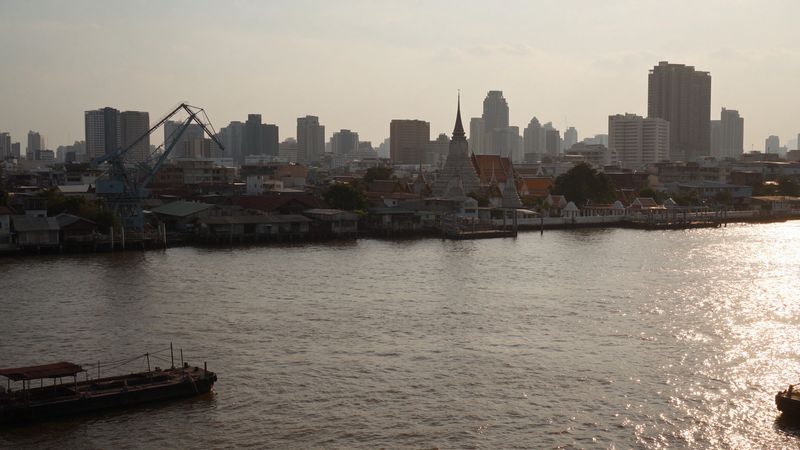
Thailand supplies automotive parts, food processing and electronics assembly. Most firms enter through sourcing; border practice depends on permits, certificates and conventions. We track tariff and trade-agreement direction, customs documentation practice as officially published, and how payments from Australia are received. We play no part in moving money or arranging financial products.
 07
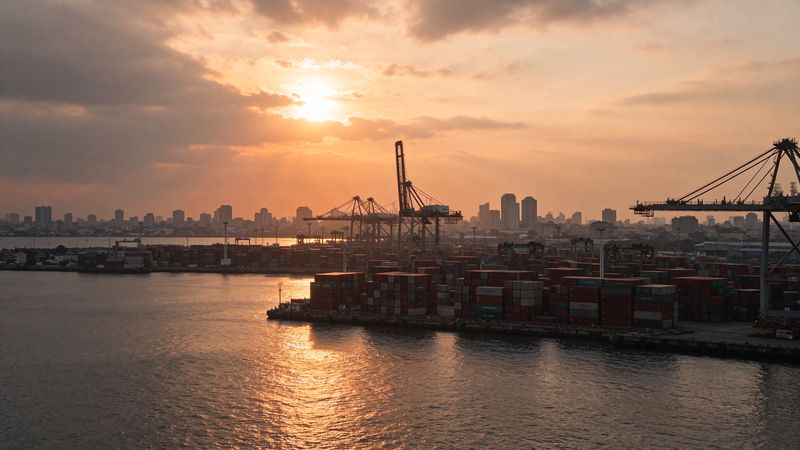
The Philippines connects with Australian business mainly through services, with an English-speaking professional workforce used for outsourcing and remote operations; goods trade is smaller. We track trade-policy direction, customs documentation conventions for goods trade, and the regulatory context for receiving payments from Australia — all drawn from public sources. As in every corridor we cover, we execute nothing and arrange no financial products.
Customs administration across the region is moving to electronic filing. Documentation requirements are tightening. Several markets maintain frameworks that govern how inbound payments are received and described. Detail is in ASEAN customs documentation and exchange control; dated figures are on the data dashboards.
Trade policy and customs practice change. Corridor notes state the position at the date of study and carry that date. Current figures are on the dashboards.
Where a corridor question needs licensed advice, the briefing identifies which decisions sit with a licensed adviser.
Often, yes — as a scoped research engagement. We start from primary sources, tell you how far the evidence goes, and price the work before you commit. Depth varies by market and we say which is which.
No agents, no representatives, no local intermediaries. Where a market requires a licensed provider or a broker, the client contracts with one directly and we document the handover.
South Africa, because exchange control and customs documentation shape payment timing; then the ASEAN lanes, where documentation failures are the most common cause of delay.
No. We follow public policy, customs and regulatory material and publish sourced notes. Ratings and forecasts imply a judgement about outcomes that we do not sell.
Every note carries the date of the source it relies on. Where a rule has changed recently, the note says so and links the instrument rather than paraphrasing it.
Name the market, the goods or the payment flow. We will tell you what is public, what is uncertain, and what a briefing would cover.